Travel is the movement of people between relatively distant geographical locations, and can involve travel by foot, bicycle, automobile, train, boat, bus, airplane, or other means, with or without luggage, and can be one way or round trip. Travel can also include relatively short stays between successive movements.
A well-arranged bali tour 2D1N itinerary allows travelers to experience two very different sides of the island within a short amount of time. From the cultural atmosphere of Ubud and sacred water temples to mountain lakes and iconic photography spots, this journey combines nature, heritage, and local traditions into one comfortable travel experience.
Best Bali Trip 2 Days 1 Night Itinerary
For visitors who want more than a simple day trip, this program offers enough time to explore Bali at a relaxed pace while still covering several of its most recognizable destinations.
Travelers
Price Range (USD)
Standard
$ 125-155
Premium
$ 170-220
Highlights
Discover Ubud’s Cultural and Spiritual Side
Explore Bali’s Cool Highland Landscapes
Itinerary
Day 1 :
Discover Ubud’s Cultural and Spiritual Side
The journey begins with pickup service from Ngurah Rai International Airport or your hotel before heading toward the upland region of Ubud.
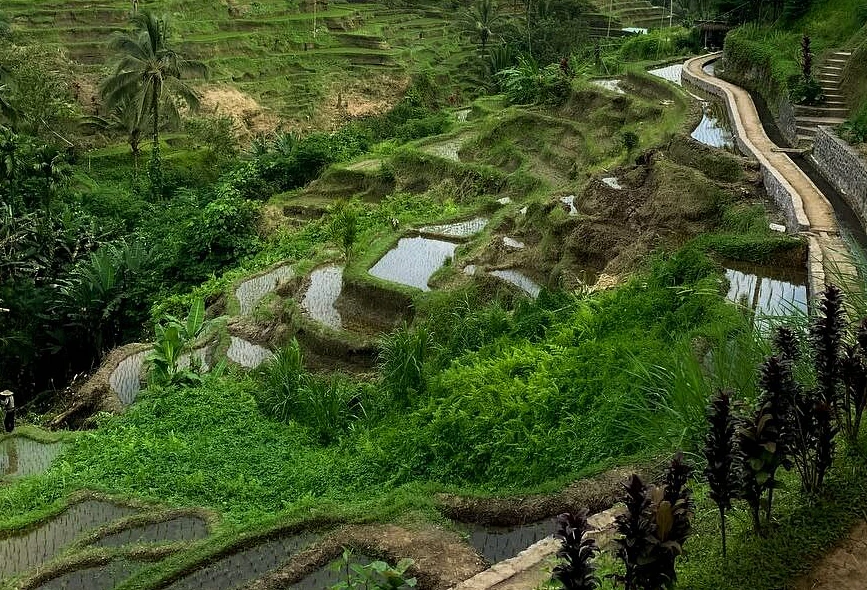
Tegalalang Rice Terrace
One of the most famous landscapes in Bali, Tegalalang Rice Terrace showcases the island’s traditional agricultural heritage through layered green rice fields stretching across the hillsides.
The terraces are maintained using the Subak irrigation system, a centuries-old cooperative farming method recognized by UNESCO. Visitors can enjoy panoramic views, walk through the rice fields, and experience one of the most photographed locations on the island.
Want to experience the classic Bali scenery often seen on travel postcards? Tegalalang delivers exactly that.
Tirta Empul Temple
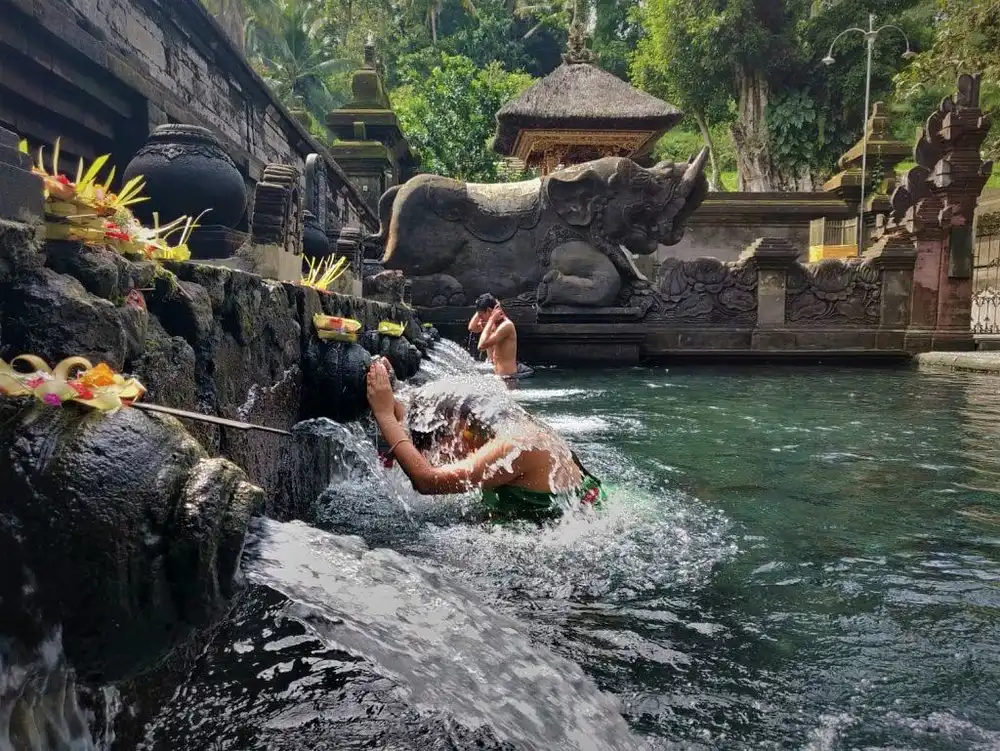
The tour continues to Tirta Empul Temple, one of Bali’s most important spiritual landmarks.
Built more than a thousand years ago, the temple is famous for its sacred spring water used in purification rituals known as Melukat. Balinese Hindus regularly visit the temple to perform prayers and cleansing ceremonies under a series of stone water spouts.
Visitors are welcome to observe the ritual respectfully while learning more about the island’s spiritual traditions and religious practices.
Ubud Art Market
After lunch, the journey continues to the heart of Ubud.
The Ubud Art Market remains one of the best places to explore local handicrafts, traditional artwork, woven bags, wood carvings, paintings, and handmade souvenirs. The market atmosphere feels lively yet relaxed, allowing visitors to browse local products while interacting directly with artisans and small business owners.
Following the market visit, guests check into their hotel in Ubud and enjoy an overnight stay surrounded by Bali’s cultural center.
Day 2 :
Explore Bali’s Cool Highland Landscapes
The second day of this 2 days 1 night Bali trip introduces a completely different atmosphere compared to Ubud.
Leaving the cultural heartland behind, the journey moves toward the cooler mountain region of Bedugul, known for its scenic lakes, forests, and highland views.
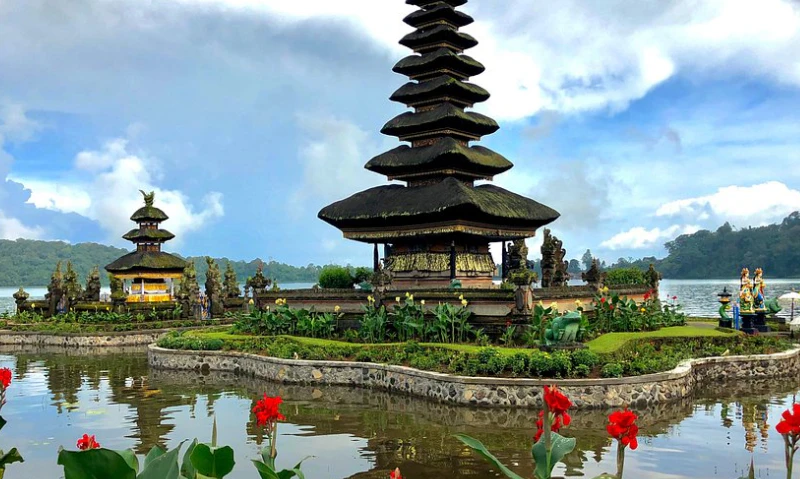
Ulun Danu Beratan Temple
Situated on the shores of Lake Beratan, Ulun Danu Beratan Temple is often considered one of the most beautiful temples in Bali.
Built in the 17th century to honor Dewi Danu, the goddess of water, the temple appears to float above the lake when water levels rise. Surrounded by mountain scenery and fresh air, the setting creates a peaceful atmosphere that feels very different from Bali’s coastal areas.
The temple complex also features landscaped gardens and lakeside viewpoints that make the visit even more enjoyable.
Handara Gate
After visiting Ulun Danu, the tour continues to Handara Gate, one of Bali’s most recognized photography locations.
The towering Balinese split gate stands against a backdrop of misty hills and dense greenery, creating a dramatic visual scene that has become famous worldwide through travel photography and social media.
Although the stop is relatively short, many travelers enjoy capturing memorable photos before continuing their journey back toward southern Bali.
Cost
The Cost Includes
Private car
Driver english speak
Accommodation 1 night
Parking fees all destination
Mineral water
The Cost Excludes
Entrance ticket destination
Lunch & dinner
Tipping for driver
All About Your Trek
Embark on an exhilarating trekking journey that immerses you in the pristine beauty of nature and the rich cultural heritage of the region. This trek offers a perfect blend of adventure, breathtaking scenery, and meaningful local encounters, making it an ideal choice for those seeking to connect deeply with the environment and people.
Route & Terrain: The trek covers a diverse landscape, ranging from dense forests and terraced fields to rocky mountain paths and high-altitude meadows. You’ll traverse well-marked trails that challenge your endurance while rewarding you with spectacular panoramic views. Some sections may involve steep ascents and descents, so a good level of physical fitness and stamina is recommended.
Duration & Pace: This trek typically lasts [X days], allowing you to enjoy a balanced pace that combines daily trekking with time to rest and explore local villages. Each day’s walk averages between 4 to 7 hours, giving you ample opportunity to soak in the scenery and capture stunning photographs.
Accommodation & Facilities: Overnight stays are arranged in traditional teahouses or mountain lodges, offering basic yet comfortable amenities. These cozy accommodations provide a chance to experience the warmth of local hospitality, enjoy hearty home-cooked meals, and recharge for the next day’s trek.
Cultural Experience: Beyond the natural beauty, this trek provides a unique window into the life of indigenous communities. You’ll meet friendly locals, learn about their customs, traditions, and way of life, and perhaps even participate in cultural activities or festivals depending on the timing of your visit.
Best Time to Visit: The optimal trekking seasons are during the spring months of March to May and the autumn months of September to November. During these periods, the weather is generally clear and stable, with moderate temperatures and minimal rainfall, ensuring safer trekking conditions and breathtaking visibility.
Preparation & Packing Tips: To make the most of your trek, pack wisely. Essential items include sturdy trekking boots, layered clothing for fluctuating temperatures, rain gear, sun protection such as hats and sunscreen, a reusable water bottle, and personal medication. It’s advisable to keep your backpack light and prioritize comfort and functionality.
Health & Safety: Your safety is our utmost priority. The trek is guided by experienced professionals who are well-versed in mountain safety and first aid. They continuously monitor weather and trail conditions to ensure a secure experience. Remember to stay hydrated, pace yourself, and communicate any discomfort to your guide immediately.
Environmental Responsibility: We encourage all trekkers to practice responsible tourism by minimizing waste, respecting wildlife, and preserving the natural environment. Carry out all trash, avoid disturbing flora and fauna, and support local conservation efforts by purchasing souvenirs directly from artisans.
Additional Support: Should you have any specific requirements or need assistance in planning your trek, our team is available to provide personalized advice and support. We also offer options for porter services or mule assistance to help carry your luggage, making your trek more comfortable.
FAQs
General
Annapurna Base Camp is a Grade B or a moderately difficult trekking route. So any fit person can do this trek, even if you do not have any previous experience. You should be aware of what to expect and mentally prepare for it. Then, as long as you will too, you can.
On average, you walk about 4 to 6 hours per day. One or two days can be as less as 3hrs and one or two days can be as long as 7hrs.
Yes. The tour is arranged privately and is not combined with other travelers.
No. Participation is completely optional. Visitors may simply observe the ritual and explore the temple grounds.
Yes. Adjustments can often be arranged depending on travel preferences, arrival schedules, and group requirements.
Yes. Entrance access to the Handara Gate photography area is already included.